
Cover Story -
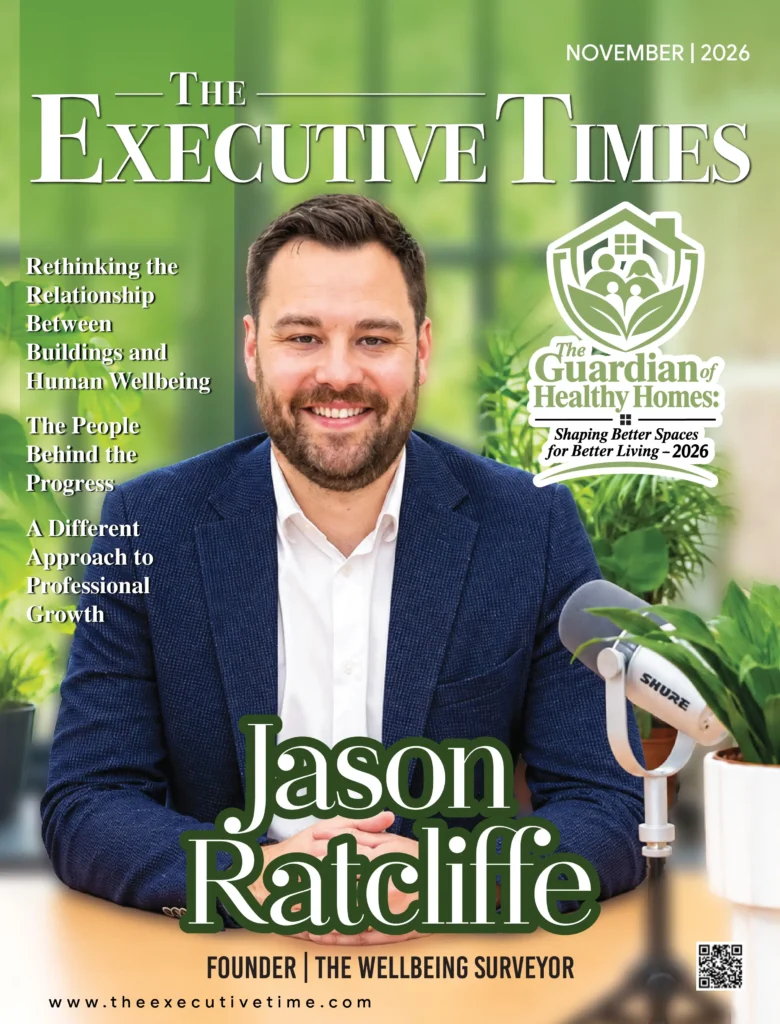
Jason Ratcliffe
Founder of The Wellbeing Surveyor
"The Guardian of Healthy Homes: Shaping Better Spaces for Better Living – 2026
Rethinking the Relationship Between Buildings and Human Wellbeing
A building can appear structurally sound while the people living or working inside it continue to experience discomfort, poor sleep, fatigue, or other health concerns. For Jason Ratcliffe, this raises an important question: are buildings being assessed for everything that truly matters?
As Founder of The Wellbeing Surveyor, Ratcliffe is advancing an approach that looks beyond traditional building inspections. His work explores how indoor environments influence human health and quality of life, bringing together surveying, public health, sustainability, and research to encourage a more people-focused understanding of the built environment.
His central belief is straightforward: buildings should do more than provide shelter. They should contribute positively to the lives of the people who occupy them.
Looking Beyond the Physical Condition of Buildings
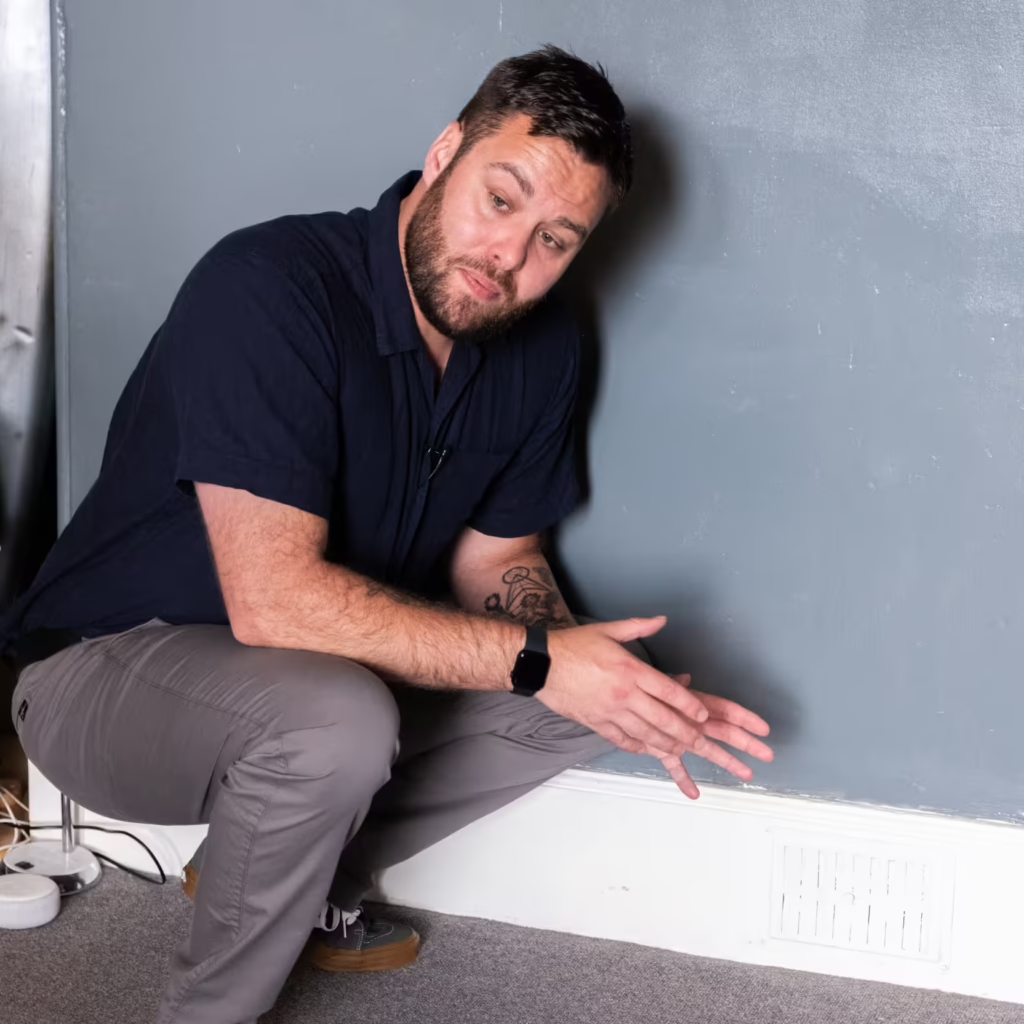
Traditional surveying focuses on identifiable structural and maintenance concerns, including deteriorating roofs, damp, defective walls, and other physical issues. Ratcliffe recognised that these assessments did not always address the wider experiences of homeowners.
Conversations with people reporting poor sleep, respiratory difficulties, headaches, fatigue, and discomfort revealed a broader issue. The condition of a building could not always be understood through its physical structure alone.
His professional background in surveying, supported by further study in public health, sustainability, and research, helped him develop a different perspective. He began looking at buildings as environments that interact with human health rather than simply structures to be inspected.
This thinking became the foundation of The Wellbeing Surveyor. What began as a specialist approach to consultancy has developed into wider work involving research, education, and innovation.
For Ratcliffe, the objective is to make the relationship between buildings and wellbeing more visible, measurable, and practical.
A Personal Experience That Strengthened His Purpose
Ratcliffe’s professional philosophy is also informed by a significant personal experience. A brain haemorrhage changed his perspective and brought a deeper understanding of recovery, patience, and resilience.
The experience gave him a more personal appreciation of how surroundings can influence recovery, concentration, and stress. It also reinforced his interest in the relationship between environmental conditions and human wellbeing.
Rather than allowing adversity to determine his future, he used the experience to strengthen his sense of purpose. It encouraged him to remain focused on evidence-led work and on initiatives that could make a meaningful difference to people’s lives.
His personal journey added further significance to a question already guiding his professional work: if the environments people inhabit influence how they feel and function, why should that relationship remain secondary to conventional building assessments?
Connecting Building Science with Human Health
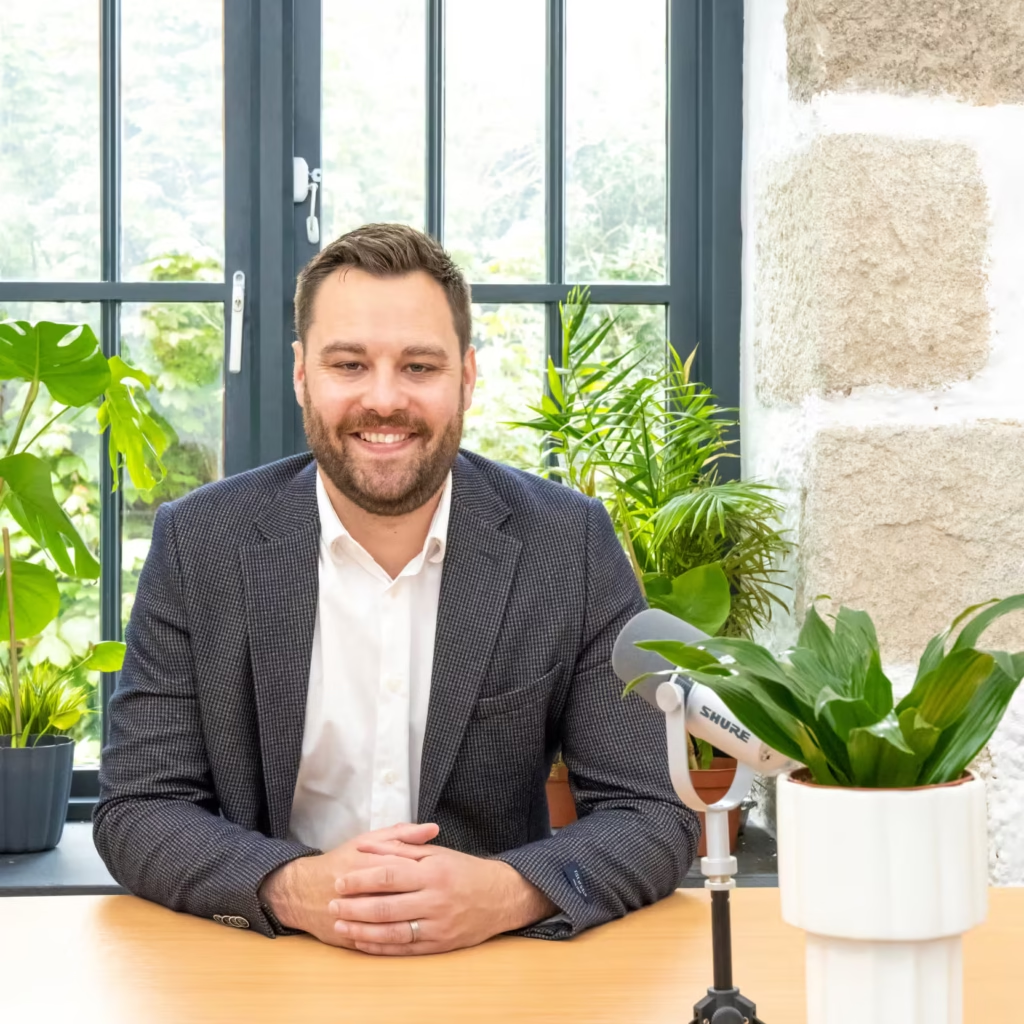
The Wellbeing Surveyor brings together disciplines that are often considered separately. Surveying, public health, environmental science, and sustainability are treated as interconnected areas of understanding rather than isolated fields.
The purpose is to examine how the wider environmental conditions surrounding a building affect the people experiencing them.
Ratcliffe’s approach also extends beyond consultancy. The organisation invests in pioneering research, independent product evaluation, and the development of healthy-building evidence. Some initiatives remain confidential until they are ready for publication or launch.
Across these activities, the focus remains consistent: making healthier buildings an achievable and evidence-based priority.
Measuring Success Through Purpose, Not Activity
Ratcliffe’s understanding of professional success has evolved over time. Earlier in his career, he was more inclined to accept opportunities as they arose. Experience gradually helped him recognise that professional activity and meaningful progress are not necessarily the same thing.
Today, he evaluates projects through a simple question: does the work genuinely improve people’s lives or advance knowledge?
This principle helps him distinguish between opportunities that simply add to a workload and those that contribute to a larger objective.
It also provides direction for The Wellbeing Surveyor. Rather than pursuing growth for its own sake, Ratcliffe wants the organisation’s work to contribute to a better understanding of healthy buildings and their impact on people.
The People Behind the Progress
Although Ratcliffe’s work is driven by research and professional expertise, his journey has also been shaped by the people around him.
His wife, Sophie, has supported him throughout the development of the practice. Mentors from surveying, medicine, academia, and environmental science have also challenged him to examine problems from different perspectives.
Homeowners have been another important influence. Thousands of conversations with people experiencing problems in their homes have provided insights that technical reports alone cannot fully capture.
These experiences have reinforced the human importance of healthy buildings. For Ratcliffe, the subject is not simply about environmental measurements or technical performance. It concerns the everyday experiences of people who depend on their homes and workplaces to support their wellbeing.
Why Collaboration Will Shape the Future
Creating healthier buildings requires knowledge from multiple disciplines. Researchers contribute scientific evidence, clinicians bring health perspectives, engineers understand technical systems, architects shape spaces, and surveyors assess the built environment. Technology innovators can further strengthen how information is measured and applied.
Ratcliffe believes progress depends on bringing these perspectives together.
Through partnerships, he is working towards a broader movement that connects professionals and disciplines that have not always been part of the same conversation. The ambition is to accelerate evidence-based change across the industry instead of leaving individual sectors to address separate aspects of a shared challenge.
For him, collaboration is not simply beneficial to professional development. It is essential to building a more complete understanding of the relationship between the built environment and human health.
A Different Approach to Professional Growth
Ratcliffe encourages people entering the field to remain curious, question assumptions, and avoid treating titles or awards as the ultimate measure of success.
He believes meaningful progress begins with identifying problems that genuinely matter and committing to finding solutions. Reading widely, learning continuously, and remaining open to different perspectives are important parts of that process.
This philosophy reflects the way The Wellbeing Surveyor has developed. Its direction has emerged through questions, research, professional experience, and a willingness to examine issues beyond conventional boundaries.
For Ratcliffe, innovation is not simply about adopting new technology or introducing different methods. It is about applying new thinking to problems that deserve attention.
Using Recognition to Advance a Larger Conversation
Ratcliffe sees professional visibility as valuable when it creates opportunities to introduce important ideas to wider audiences.
Articles, interviews, and keynote appearances can help bring healthy-building discussions into conversations that might otherwise overlook the subject. Recognition therefore has a purpose beyond individual achievement: it can help increase awareness and encourage broader participation.
Looking ahead, he intends to continue expanding research, education, and international collaboration while strengthening The Wellbeing Surveyor’s position as a voice for healthier built environments.
His ambition is not merely to make the organisation more widely recognised. It is to help make the importance of healthy buildings a subject that receives greater attention across the industry and beyond.
Making Wellbeing a Standard, Not an Afterthought
People spend approximately ninety per cent of their lives indoors, yet the relationship between indoor environments and human health remains less widely understood than many basic aspects of building safety and maintenance.
Ratcliffe believes that expectations need to evolve.
A building should be safe and sustainable, but those qualities should represent the starting point rather than the entire objective. The next step is to consider whether the environment actively supports the wellbeing of its occupants.
He believes healthy buildings should eventually become as normal an expectation as seatbelts and smoke alarms. This would require a fundamental change in how buildings are designed, assessed, and understood.
Instead of treating health as an additional consideration, it would become an integral part of defining a successful building.
Building a Movement Beyond One Organisation
Ratcliffe does not view The Wellbeing Surveyor as the final destination of his professional journey. He sees the organisation as part of a larger effort to make healthy-building principles more widely accepted.
His long-term ambition is for this thinking to extend across homes, schools, workplaces, and healthcare buildings. Research, education, collaboration, and practical assessment all have a role in making that possible.
The ultimate measure of progress would be a future in which people no longer need to argue for the importance of wellbeing within buildings because it has already become a standard expectation.
That is the broader change Ratcliffe wants to help create. More than additional assessments or research projects, he is working towards a built environment in which the places people inhabit are designed and evaluated with their lives in mind.
For Jason Ratcliffe, the purpose of a building should never end with the structure itself. Its true value should also be reflected in the wellbeing of the people it serves.