
Cover Story -
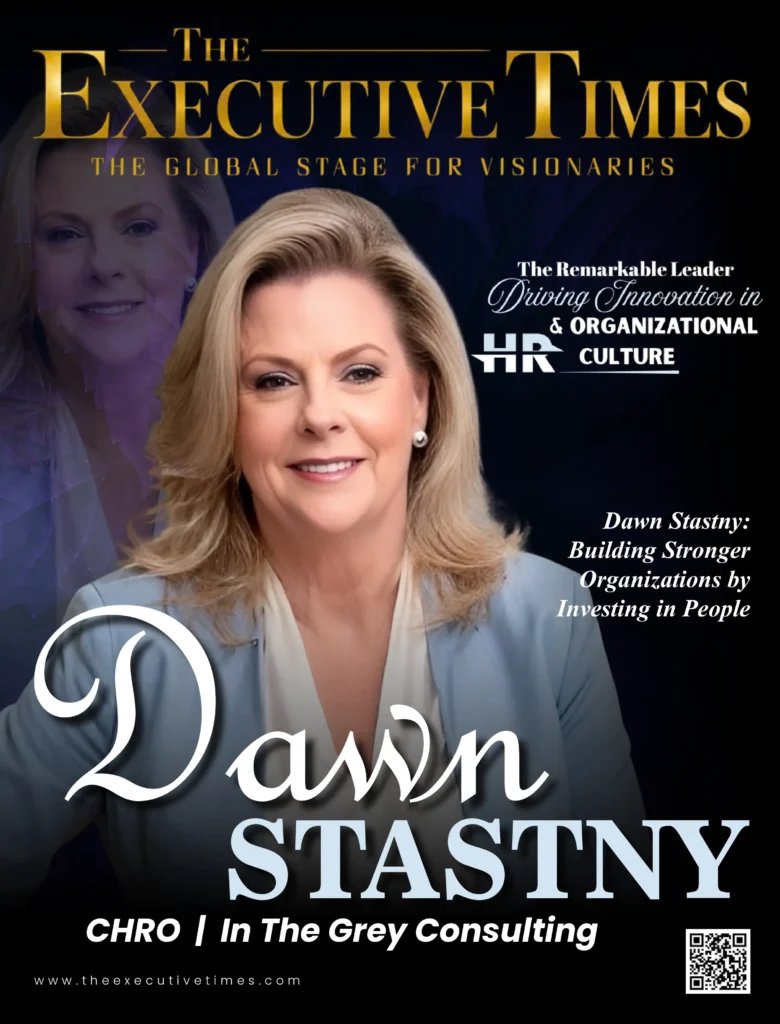
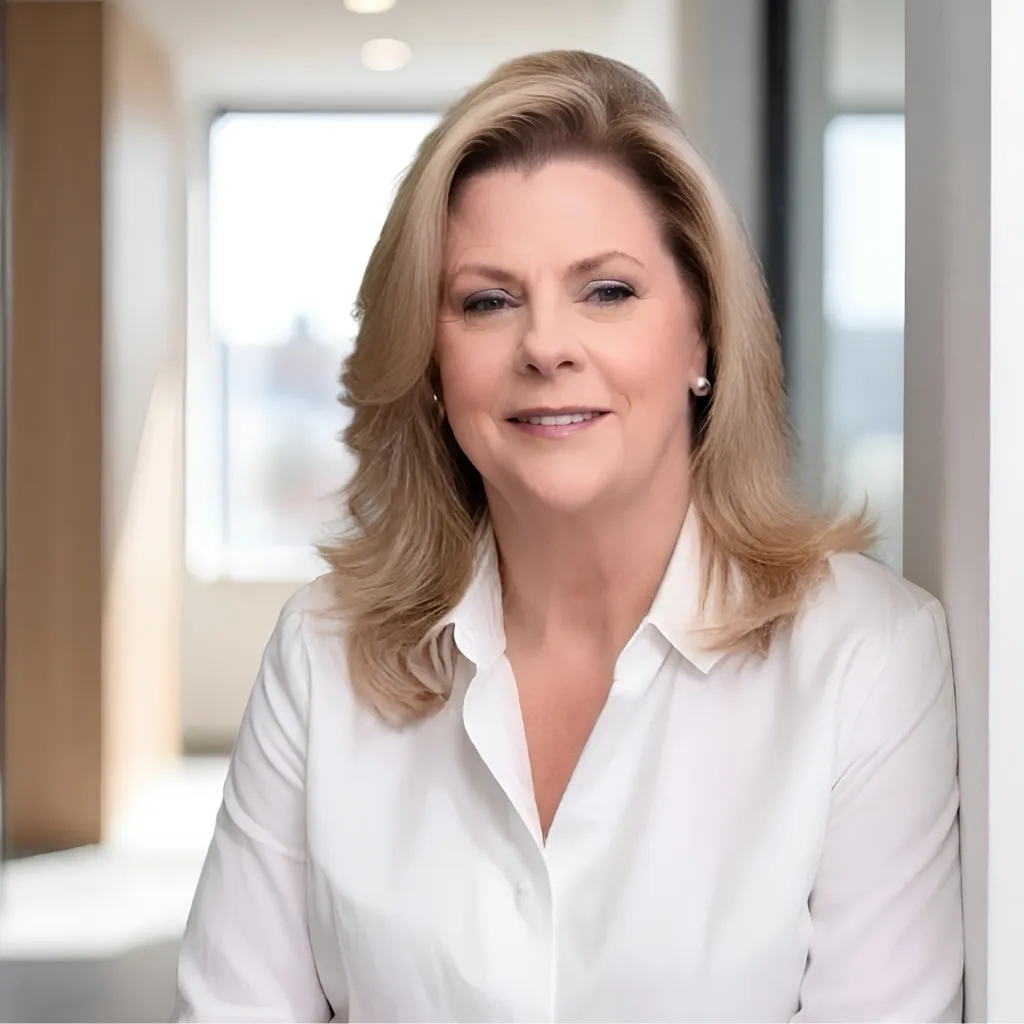
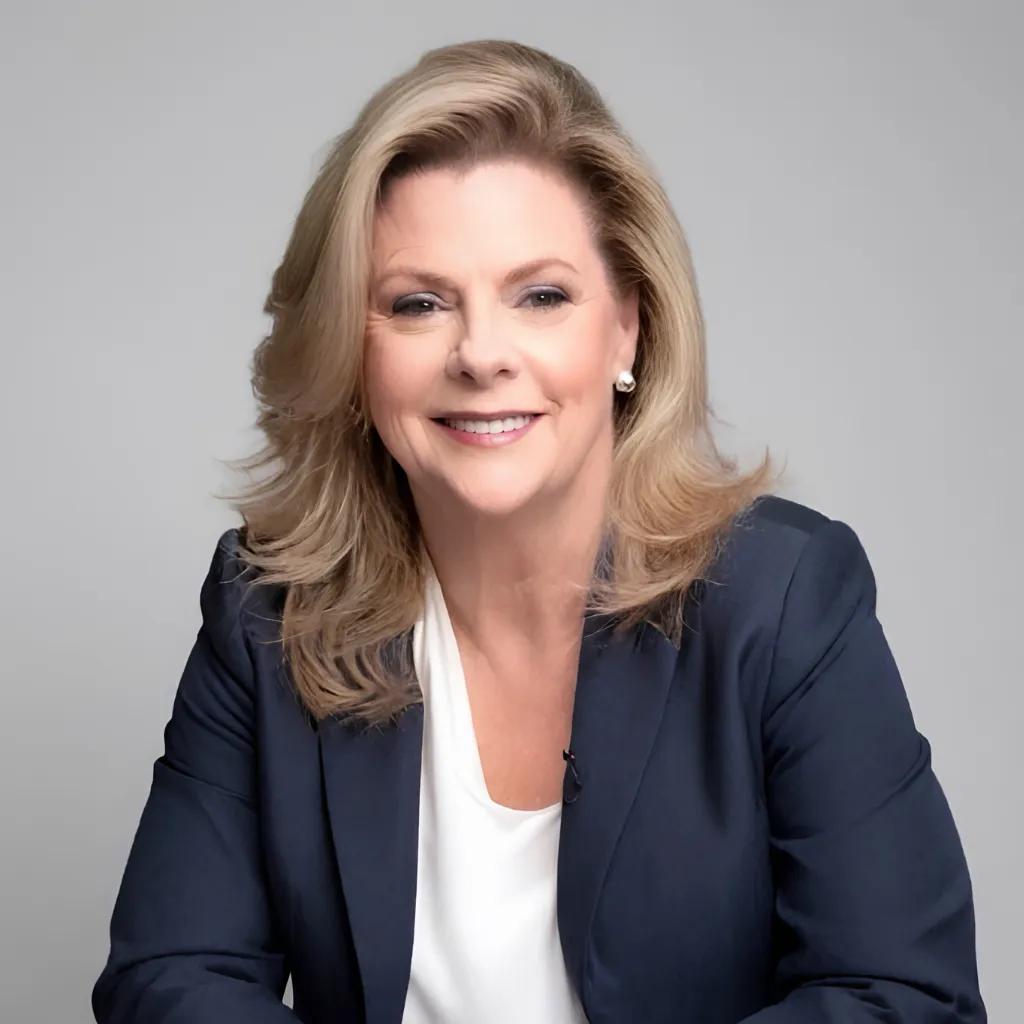
Dawn Stastny
CHRO at In The Grey Consulting
"The Remarkable Leader Driving Innovation in HR & Organizational Culture"
Dawn Stastny: Building Stronger Organizations by Investing in People
Organizational transformation is often measured through acquisitions completed, operational targets achieved, and business performance improved. For Dawn Stastny, SPHR, SHRM-SCP, however, the lasting measure of leadership extends beyond these outcomes. An organization becomes stronger when its people are equipped to grow, its leaders understand their responsibilities, and its culture supports both accountability and trust. This belief has shaped more than three decades of her work across human resources, compliance, organizational development, and enterprise transformation.
Currently bringing her expertise to In The Grey Consulting while evaluating her next full-time executive leadership opportunity, Stastny has developed a career that connects people strategy with business execution. Her experience spans multiple industries, independent consulting, corporate leadership, and 14 acquisitions. Throughout these responsibilities, she has remained focused on the relationship between organizational performance and the people expected to deliver it.
Her professional journey also reflects a willingness to reconsider established expectations. From entering HR through a foundation in law and compliance to leading complex organizational changes, Stastny has consistently looked beyond formal structures to understand how decisions affect people. Today, her attention is directed toward finding the right opportunity to apply that experience where it can create meaningful, lasting impact.
From Regulatory Discipline to People Strategy
Stastny’s career began with an interest in law and compliance, where understanding regulations and organizational requirements was central to the work. Yet the rules themselves were only part of what interested her. She became increasingly curious about the motivations behind decisions, the behaviour of individuals within organizations, and the ways leadership choices influenced workplace outcomes.
That curiosity led her toward human resources, where she saw an opportunity to connect business requirements with the realities of working life. Rather than viewing HR solely through policies, benefits, and administrative responsibilities, she came to understand it as a strategic function involving culture, risk, leadership, and execution. Her approach developed around a straightforward principle: policies matter, but their effectiveness depends on how people understand and apply them.
She earned a Bachelor of Science in Business Administration, focusing on Human Resources and Organizational Development, from Texas Woman’s University. Her early professional experience included GE, True North Communications, Affinity Logistics, and SJ Pharmaceuticals/Trophikos Nutraceuticals. Working across advertising, logistics, pharmaceuticals, and other business environments gave her exposure to different operational demands while reinforcing the importance of trust, accountability, and effective leadership.
These experiences established the foundation for a career that would eventually combine regulatory knowledge with enterprise-level people management. They also helped shape her understanding that organizational structures may vary considerably, but the human factors influencing their success remain central.
Entrepreneurship That Strengthened Her Executive Perspective
In 2011, Stastny founded Stellaris Group, an HR consulting firm based in Roswell, Georgia. The firm focused on compliance and organizational development for small and mid-sized businesses that needed professional HR expertise without the cost of maintaining a large internal department. Her responsibilities covered recruiting, employee relations, regulatory compliance, and the practical systems required to support fair and responsible employment practices.
Running an independent consultancy demanded a different kind of leadership. Stastny had to build client relationships, establish credibility, and advise business leaders on matters that were not always comfortable to address. The experience strengthened her ability to work directly with executives, assess organizational needs, and translate professional expertise into practical recommendations. Through Stellaris, she supported 12 acquisitions, advising leaders on workforce integration, compliance, and the organizational alignment needed to bring newly combined teams together.
During this period, she earned her Senior Professional in Human Resources (SPHR) and SHRM Senior Certified Professional (SHRM-SCP) credentials. She also received recognition as a HIPAA Compliance Officer, a qualification particularly relevant to regulated sectors such as healthcare and pharmaceuticals.
The consulting years helped establish a principle that would remain central to her later corporate work: collect people. For Stastny, the phrase represents an active commitment to developing others, advocating for their progress, challenging them to improve, and using professional influence to create opportunities. It is not simply about maintaining a network. It is about helping people advance and making professional relationships meaningful through action.
Managing Transformation Across Fourteen Acquisitions
Stastny’s transition into full-time corporate leadership brought her into environments where organizational strategy had to be implemented across complex operations. She worked at Coregistics before taking on an extended period of HR and compliance leadership at BelPak, a manufacturing and logistics-focused organization in the Chicago metropolitan area.
Across her career, Stastny has led through 14 acquisitions: 12 through Stellaris Group, and 2 at BelPak, where she also led the integration work that followed. Each acquisition brought organizational considerations extending beyond the transaction itself. Different businesses had established practices, workplace cultures, operational systems, and employee expectations that needed to be brought into alignment. Her work involved workforce integration, multisite operations, governance changes, safety, compliance, and organizational development.
Such responsibilities required more than the ability to manage processes. Integration also depended on how employees and leaders experienced change, whether expectations were communicated clearly, and how effectively the organization developed the people responsible for moving forward. Stastny approached these challenges with the conviction that transformation becomes more sustainable when leadership capability grows alongside operational structures.
Her perspective places people development at the centre of organizational change. Financial and operational objectives remain important, but the people who lead teams, manage transitions, and establish new ways of working determine whether improvements can be sustained. For Stastny, the strength of a transformation is reflected in the capabilities an organization retains after the immediate changes are complete.
Her work has earned several professional recognitions. She was named to the Chicago Titan 100, which recognises accomplished CEOs and C-suite executives. She was also recognised among the Top 25 CHRO Voices in Manufacturing for 2025. Food Logistics named her a recipient of its 2026 Women in Supply Chain Trailblazer Award, and she was included among the Top Corporate Leaders in the USA for 2026. These honours reflect her contributions to leadership, workforce development, and the changing role of human resources within complex business environments.
The Decisions That Define a Leader
For Stastny, the most difficult moments in leadership have not necessarily been the most operationally complicated. Acquisitions, restructurings, and organizational challenges may demand substantial effort, but she considers situations involving personal conviction and professional responsibility particularly revealing. The challenge becomes greater when the right course of action is not the easiest or most convenient one for the people involved.
Her approach is grounded in knowing what she stands for, communicating honestly, documenting facts, and protecting the people who depend on her leadership. These principles connect directly to her early experience in compliance, where decisions must be supported by evidence and responsibilities cannot simply be separated from their consequences.
Over time, Stastny has also developed a broader understanding of resilience. She does not define it as remaining in difficult circumstances indefinitely. Sometimes, she believes, resilience means recognising the limits of one’s authority to influence an outcome and having the courage to choose another direction. The ability to persist matters, but so does the judgment to recognise when persistence alone will not resolve a situation.
This perspective has reinforced her belief that values are demonstrated through decisions, particularly when upholding them involves a personal or professional cost. Integrity, in her view, becomes meaningful when it influences behaviour under pressure rather than remaining an abstract statement of intent.

A Leadership Framework Grounded in Integrity, Courage, and Humanity
Three principles form the foundation of Stastny’s leadership philosophy: integrity, courage, and humanity. Together, they inform how she approaches decisions, relationships, accountability, and the responsibilities associated with executive authority.
Integrity establishes the basis for trust. Employees pay attention not only to what leaders communicate but also to the behaviour they permit and the standards they consistently uphold. Courage is necessary when difficult conversations cannot be avoided, decisions must be made with incomplete information, or advocating for people involves risk. Humanity ensures that the pursuit of performance does not obscure the individuals whose work makes organizational results possible.
Stastny does not treat these principles as values reserved for professional settings. She believes that personal ethics should remain consistent regardless of whether someone is working with colleagues, managing a team, or participating in a boardroom discussion. Respect, accountability, and service to others further inform her approach.
This consistency is particularly important in HR leadership, where decisions can affect employees’ careers, workplace relationships, and confidence in management. Policies and processes provide structure, but the manner in which leaders apply them influences whether people experience that structure as fair and credible. For Stastny, effective leadership requires both sound judgment and an understanding of the people affected by it.
Creating Opportunities Through Sponsorship
One of the most distinctive elements of Stastny’s approach to professional development is her emphasis on sponsorship. She draws a clear distinction between mentoring someone and actively advocating for their advancement. Mentorship can provide advice, guidance, and perspective. Sponsorship requires a leader to use their own credibility and influence to help another person access opportunities.
That distinction reflects her belief that developing talent involves more than encouraging individuals to improve. Leaders must also be prepared to create openings, recommend capable people, and support their progression when opportunities arise. Stastny sees this responsibility as part of using professional influence constructively, particularly when others have previously done the same for her.
Her own sources of inspiration reflect this commitment. She values people who use their positions to improve the lives of others, often without expecting public recognition. She also credits the mentors and leaders who challenged her thinking and opened doors before she fully recognised her own potential.
Her daughter is another important source of inspiration, particularly as the next generation develops its own ideas about leadership, career choices, and work-life integration. Observing those changing expectations reminds Stastny that leadership is communicated through behaviour as much as through formal guidance.
She also draws inspiration from Ruth Bader Ginsburg and her commitment to using her abilities to contribute meaningfully and help repair divisions in society. For Stastny, this reinforces the idea that professional achievement carries a responsibility to consider how influence can be used beyond individual advancement.
Choosing the Next Chapter With Intention
After nearly a decade in one of the most consequential corporate phases of her career, Stastny chose to create space before moving into another full-time executive role. Rather than treating the transition as a race to secure the next title, she is using this period to consider where her experience can contribute most effectively.
Her work has centred on building organizational capability, developing leaders, aligning workplace cultures, navigating mergers and acquisitions, and establishing the structures businesses need to manage growth and disruption. These capabilities remain relevant to her next chapter, but she is considering them alongside the purpose and leadership environment of a potential organization.
For Stastny, the right opportunity requires more than an impressive title or broad responsibilities. She is looking for meaningful work, leaders prepared to engage with complex challenges, and a mandate that allows people strategy to influence business direction. She wants to help strengthen organizations, challenge assumptions, develop talent, and build capabilities that remain valuable beyond her own tenure.
The changing business environment makes these priorities especially significant to her. Artificial intelligence, evolving workforce expectations, demographic shifts, and economic uncertainty are changing how organizations operate. She believes HR leadership has an important role in helping businesses respond to these developments while maintaining trust, accountability, and a strong organizational culture.
Technology can reshape processes and accelerate work, but it does not remove the need for human judgment. Stastny believes the CHRO should contribute directly to strategy, helping shape decisions and ensuring that organizations possess the leadership strength and workforce capabilities required to execute them. In her view, the people agenda is inseparable from the business agenda.
Her current focus through In The Grey Consulting and her search for the right full-time executive opportunity reflect that intention. She is not simply looking to repeat an earlier stage of her career. She is seeking an environment where decades of experience can be applied to challenges that matter and where the results can endure.
Measuring Success by What Remains
Stastny’s understanding of legacy is closely connected to how she evaluates leadership in the present. She does not see it as a subject reserved for retirement or the final chapter of a professional life. Instead, it is reflected in the everyday decisions leaders make, the people they develop, and the standards they establish within their organizations.
Titles change, professional recognition marks particular moments, and eventually other people assume the roles leaders once held. What remains, in Stastny’s view, is the capability an organization gains from someone’s contribution and the progress made possible for the people who worked alongside them. Recognition can acknowledge an achievement, but it cannot replace the long-term effects of developing others and building stronger institutions.
Her advice to emerging leaders follows the same principle. Build professional competence and understand the business, remain curious, and be willing to acknowledge mistakes. Seek people who will provide honest feedback rather than simply confirm existing opinions. Protect personal integrity, particularly when circumstances make doing so uncomfortable, and remember that authority attached to a position is not the same as trust earned through action.
For Dawn Stastny, leadership is ultimately measured through the difference it makes in other people’s lives and professional journeys. Her career across HR, compliance, consulting, and enterprise transformation reflects a continuing commitment to developing people while strengthening the organizations they help build.
As she considers the next stage of her executive career, that commitment remains her guiding standard. The objective is not simply to lead another organization, but to leave it better equipped to succeed, with stronger leaders, more capable teams, and a culture that supports responsible performance long after her work there is complete.